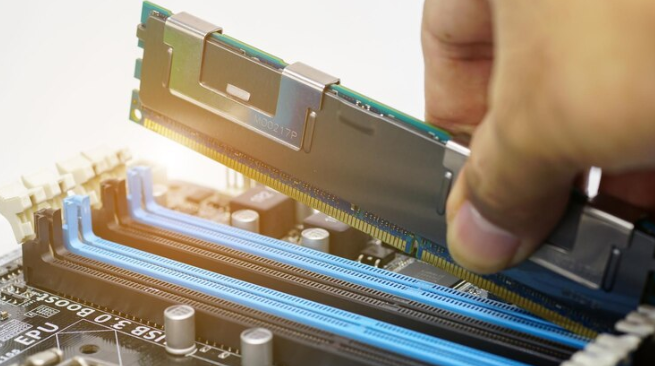
Modern computers are expected to handle increasingly demanding workloads, from multitasking and content creation to gaming and business applications. As software becomes more advanced, system memory plays a greater role in maintaining speed, stability, and overall responsiveness. Whether you are upgrading an existing computer or building a new system, choosing the right memory can significantly impact everyday performance.
One of the most trusted options available today is DDR4 Memory Modules, offering an excellent balance of speed, efficiency, and reliability for a wide range of computing needs. At Ram Exchange, users can explore dependable memory solutions designed to support modern systems while improving overall computing performance.
Why System Memory Matters
Random Access Memory (RAM) serves as the temporary workspace where your computer stores data that is actively being used. Every application you open, browser tab you access, and document you edit relies on available memory to operate efficiently. When sufficient memory is available, your computer can quickly access the information it needs without constantly retrieving data from storage drives. This results in smoother operation and a more responsive user experience.
Memory affects tasks such as:
- Running multiple applications simultaneously
- Editing photos and videos
- Playing modern games
- Managing large spreadsheets
- Virtual meetings and collaboration tools
- Software development
- Graphic design workloads
As computing demands continue to increase, memory performance becomes an important part of maintaining system efficiency.
See also: Professional TV Mounting Vancouver with Lasting Quality
Understanding DDR4 Technology
DDR4 represents the fourth generation of Double Data Rate synchronous dynamic random-access memory. It introduced significant improvements over previous generations by increasing bandwidth while reducing power consumption. Unlike older memory technologies, DDR4 allows systems to transfer more data in less time, helping processors perform tasks more efficiently.
Key improvements include:
- Higher operating frequencies
- Improved energy efficiency
- Increased memory density
- Better stability under demanding workloads
- Enhanced multitasking capabilities
These advancements make DDR4 a practical choice for both home and professional users.
Faster Data Access Improves Everyday Computing
A computer continuously exchanges information between the processor and memory. Faster memory speeds reduce delays during this communication, allowing applications to respond more quickly.
Users often notice improvements when:
- Opening large files
- Switching between applications
- Launching software
- Loading operating system features
- Browsing with multiple tabs open
Although processors receive considerable attention during system upgrades, memory speed also contributes significantly to overall responsiveness.
Better Multitasking Without Slowdowns
Modern users rarely operate a single application at a time. A typical workflow may involve:
- Email software
- Video conferencing
- Internet browsers
- Office applications
- Cloud storage tools
- Streaming music
- Messaging platforms
Each application consumes system memory. When available RAM becomes limited, computers begin relying on storage drives as temporary memory, which is considerably slower. Installing higher-capacity memory allows more applications to remain active simultaneously, reducing interruptions and improving productivity.
Supporting Modern Software Requirements
Software developers continue introducing new features that require greater system resources.m Creative professionals, engineers, designers, and business users frequently work with applications that process large amounts of information.
Examples include:
- Video editing software
- 3D rendering applications
- CAD programs
- Data analysis tools
- Virtual machines
- Large databases
These programs benefit from larger memory capacities because they can keep more information readily available instead of repeatedly accessing slower storage devices.
Enhanced Gaming Performance
Gaming places unique demands on computer hardware.
Modern games process:
- High-resolution textures
- Complex environments
- Artificial intelligence
- Physics calculations
- Multiplayer networking
While graphics cards perform much of the visual processing, system memory supports game loading, background assets, and communication between hardware components. Adequate memory capacity helps reduce loading interruptions and contributes to a smoother gaming experience, particularly when other applications remain open in the background.
Improved Energy Efficiency
One advantage of newer memory technology is improved power management. DDR4 operates at lower voltage levels than earlier generations, helping systems consume less power during operation.
Lower energy consumption provides several advantages:
- Reduced heat generation
- Improved battery efficiency for laptops
- Better long-term component reliability
- Lower cooling demands
These improvements become particularly valuable for businesses managing multiple systems as well as individuals using laptops throughout the day.
Greater Stability for Professional Workloads
Reliable memory contributes to overall system stability. Unexpected application crashes, freezing, or data corruption can sometimes result from memory issues or insufficient available RAM.
High-quality memory helps maintain consistent performance during demanding workloads such as:
- Graphic design projects
- Scientific computing
- Software compilation
- Architectural modelling
- Large document editing
For users who depend on their computers daily, stable hardware becomes just as important as speed.
Choosing the Right Memory Capacity
Memory capacity should align with the intended workload rather than simply selecting the highest available specification.
General recommendations often include:
- Basic productivity tasks benefit from moderate memory configurations.
- Creative professionals usually require higher capacities.
- Gamers often benefit from additional memory for modern titles.
- Business users handling multiple applications may require expanded memory resources.
Selecting compatible hardware ensures the system performs efficiently without unnecessary limitations.
Compatibility Remains Essential
Before upgrading memory, users should verify compatibility with their existing hardware.
Important considerations include:
- Motherboard support
- Processor compatibility
- Maximum supported capacity
- Memory speed specifications
- Available memory slots
Installing compatible components helps ensure reliable operation and maximizes system performance. When selecting memory upgrades, trusted suppliers such as Ram Exchange can help users identify compatible products suited to their specific systems.
Why Reliable Memory Quality Matters
Not all memory products deliver the same level of reliability. Well-manufactured modules undergo testing to ensure stable operation under various workloads.
Quality memory offers benefits including:
- Consistent performance
- Reduced system errors
- Better long-term reliability
- Improved hardware compatibility
- Stable operation during demanding tasks
Reliable hardware minimizes unexpected interruptions while extending the lifespan of the overall system.
Preparing Systems for Future Applications
Technology evolves rapidly, and software requirements continue increasing.
Upgrading memory today helps prepare computers for:
- New operating system updates
- Advanced productivity software
- Artificial intelligence applications
- Content creation tools
- Higher-resolution media
- More demanding multitasking environments
Investing in appropriate hardware reduces the likelihood of performance limitations as future applications become more resource intensive. For users planning system upgrades, Ram Exchange provides dependable memory solutions that support both current computing needs and future performance requirements.
Common Signs Your System May Need More Memory
Many users experience reduced performance without immediately recognizing memory limitations.
Common indicators include:
- Frequent application freezing
- Slow startup performance
- Delayed program loading
- Browser tabs reloading unexpectedly
- Reduced multitasking capability
- System lag during demanding workloads
Recognizing these signs early allows users to improve system responsiveness through appropriate memory upgrades.
Making Smarter Upgrade Decisions
Upgrading memory remains one of the most practical ways to improve computer performance without replacing an entire system.
When evaluating an upgrade, consider:
- Current system usage
- Future computing needs
- Hardware compatibility
- Application requirements
- Overall system balance
Combining sufficient memory with a capable processor and fast storage creates a well-balanced computer that performs efficiently across a wide variety of tasks.
Conclusion
Reliable system memory plays a vital role in delivering faster performance, smoother multitasking, improved stability, and better overall computing efficiency. Whether you use your computer for everyday productivity, creative projects, professional workloads, or entertainment, selecting quality memory helps your system perform at its full potential. Ram Exchange offers dependable memory solutions that support modern computing needs and future upgrades. If you are planning to enhance your system’s performance with reliable hardware, Contact us today to learn more about choosing the right memory solution for your computer.